Modern Aesthetic & Restorative Dentistry in Jongno, Seoul — Multilingual Patient Concierge

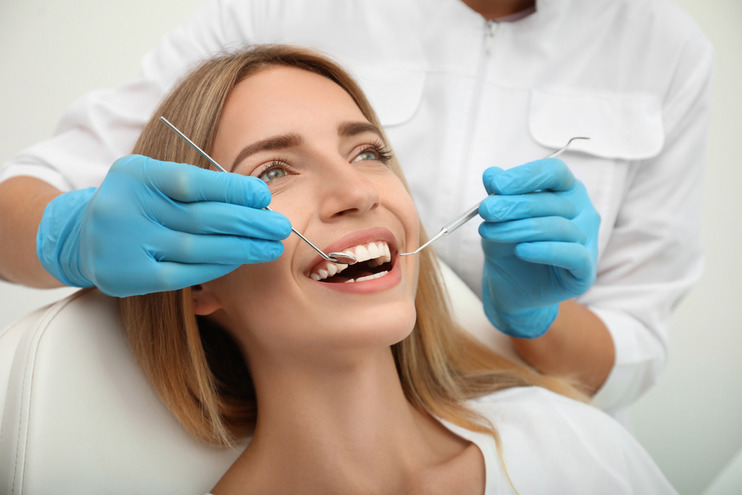
Preventive & Diagnostic Care · Consultation Required
Oral Examination
An Oral Examination identifies early signs of tooth decay, gum disease, and bite problems before they progress into complex dental conditions.
Schedule a ConsultationMany dental conditions develop gradually and without noticeable pain. Cavities may begin within enamel, and gum inflammation can progress before visible swelling occurs. A structured Oral Examination is essential for detecting early changes, preventing disease progression, and planning appropriate treatment when necessary.
At New York S Dental Clinic, located in Jongno-gu, Seoul, oral examinations are performed as part of preventive and restorative dental care. The clinic emphasizes accurate diagnosis, early intervention, and individualized treatment planning to preserve natural teeth and maintain long-term oral health.
What Is an Oral Examination?
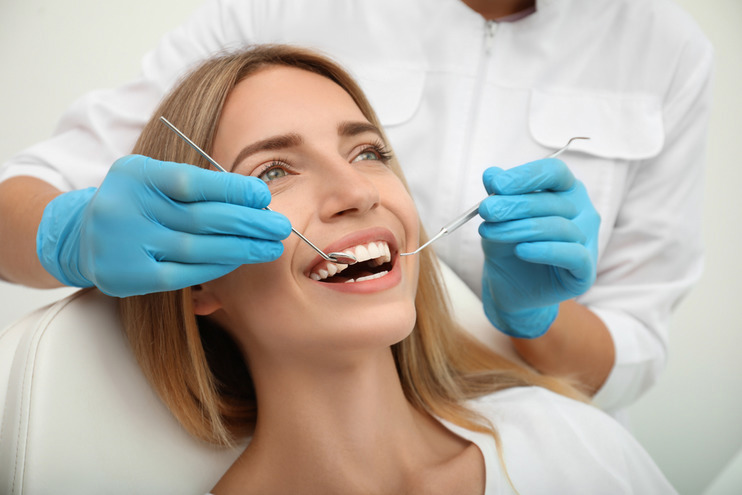
An Oral Examination is a comprehensive evaluation of the teeth, gums, supporting bone structures, and bite alignment. It involves both visual and diagnostic assessment to identify:
Early tooth decay
Gum inflammation or periodontal disease
Tooth fractures or wear
Bite imbalance
Existing restoration integrity
Signs of infection
The purpose of an oral examination is to detect conditions before they cause significant damage or discomfort.
Why Oral Examinations Are Important
Permanent teeth do not regenerate once damaged. Early detection allows for conservative treatment options, such as:
Resin fillings for small cavities
Scaling for early gum inflammation
Monitoring of minor enamel changes
Without regular examination, minor issues may progress to:
Root canal treatment
Advanced periodontal therapy
Tooth extraction
Routine evaluation supports long-term tooth preservation.
Components of a Comprehensive Oral Examination
At New York S Dental Clinic, a structured oral examination may include:
1. Medical and Dental History Review
The dentist reviews medical conditions, medications, previous dental treatments, and current symptoms.
2. Visual Inspection
Teeth and gums are visually examined for signs of:
Cavities
Gum swelling or bleeding
Plaque and tartar accumulation
Tooth discoloration
Structural fractures
3. Periodontal Assessment
Gum health is evaluated to detect gingivitis or periodontitis. Signs of bleeding or gum recession are noted.
4. Radiographic Imaging (When Necessary)
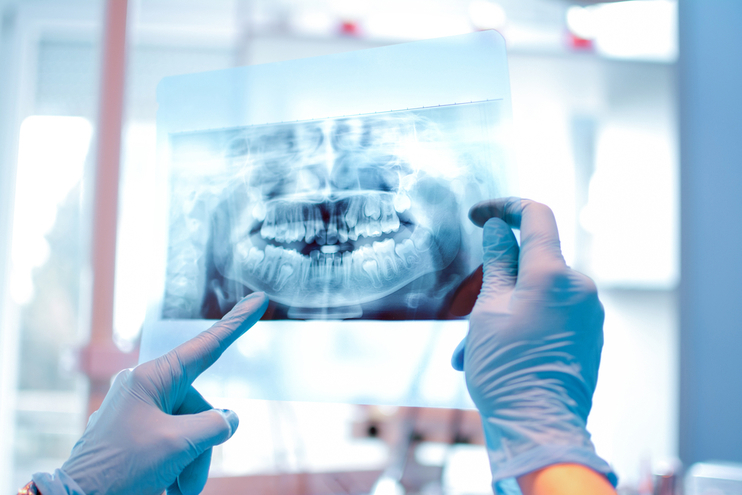
Dental X-rays help identify:
Hidden decay between teeth
Bone level changes
Root infections
Impacted or abnormal structures
5. Bite (Occlusion) Analysis
The dentist evaluates how the upper and lower teeth come together. Uneven forces can lead to:
Tooth wear
Cracks
Jaw discomfort
Each element contributes to an accurate diagnosis.
Oral Examination and Tooth Decay Detection
Cavities often begin in areas that are not easily visible. An oral examination helps identify:
Early enamel demineralization
Interproximal decay (between teeth)
Secondary decay around existing fillings
Early detection allows treatment with conservative Dental Fillings (Resin Treatment) before deeper layers are affected.
Oral Examination and Gum Health
Gum disease is one of the leading causes of tooth loss. Early-stage gingivitis may present with mild bleeding but no significant pain.
Through examination, the dentist can:
Identify early inflammation
Recommend scaling
Prevent progression to periodontitis
If advanced periodontal disease is detected, structured gum treatment may be recommended.
Oral Examination and Restorative Evaluation
Existing restorations such as crowns, bridges, or fillings are assessed during examination to determine:
Marginal integrity
Signs of wear
Fractures
Secondary decay
Monitoring restorations ensures long-term stability and prevents complications.
Frequency of Oral Examinations
Most patients benefit from an oral examination at least once per year. Some individuals may require more frequent visits depending on:
History of gum disease
High cavity risk
Previous root canal treatment
Ongoing orthodontic care
Individualized scheduling ensures appropriate monitoring.
Oral Examination Before Aesthetic Procedures
Patients considering:
Laminate veneers
Teeth whitening
Invisalign treatment
Implants
should undergo a comprehensive oral examination beforehand.
Healthy gums and stable tooth structure are essential for predictable aesthetic outcomes.
Oral Examination and Early Pain Prevention

Pain often develops when decay or infection has already progressed significantly.
By detecting problems early, oral examinations help:
Avoid severe toothaches
Prevent abscess formation
Reduce need for invasive treatment
Preventive care minimizes discomfort and treatment complexity.
Safety and Clinical Considerations
An oral examination is non-invasive and typically painless. It may include:
Gentle probing of gums
Light tapping to assess sensitivity
Bite pressure evaluation
If radiographs are required, appropriate protective measures are used.
At New York S Dental Clinic, examinations are conducted systematically to ensure accurate diagnosis and clear patient communication.
Oral Examination and Medical Tourism
For international patients visiting Seoul, an oral examination serves as the foundation for treatment planning.
It allows:
Identification of urgent issues
Efficient scheduling of procedures
Stabilization of oral health before cosmetic or implant therapy
Clear communication ensures realistic timelines for visiting patients.
Long-Term Benefits of Regular Oral Examinations

Consistent oral examinations help:
Preserve natural teeth
Maintain gum health
Prevent bone loss
Extend lifespan of restorations
Support overall oral function
Preventive monitoring reduces the likelihood of requiring extensive procedures in the future.
Realistic Expectations
Patients undergoing an Oral Examination should understand:
Early-stage problems may not cause symptoms
X-rays may be necessary for accurate assessment
Preventive care requires regular follow-up
Early treatment is less invasive than delayed intervention
Oral examination is an essential part of comprehensive dental care.
Conclusion
An Oral Examination in Jongno-gu, Seoul is a structured diagnostic process designed to detect early signs of tooth decay, gum disease, and bite imbalance. Through visual assessment, periodontal evaluation, and radiographic imaging when necessary, dentists can identify conditions before they progress.
At New York S Dental Clinic, oral examinations form the foundation of preventive and restorative dentistry. By emphasizing early detection, accurate diagnosis, and individualized planning, the clinic supports long-term oral health and preservation of natural teeth for both local residents and international patients seeking comprehensive dental care.
Other Services
Explore additional treatments offered by our specialists.
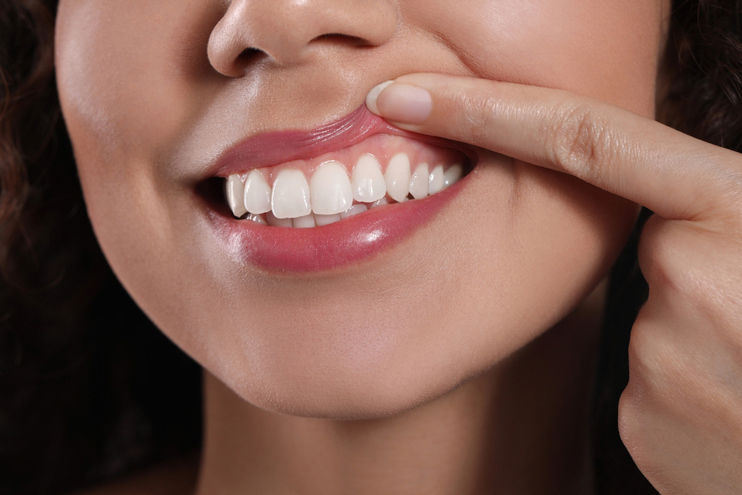
Gum Treatment
Gum Treatment removes infection-causing bacteria beneath the gumline to prevent bone loss and preserve natural teeth.
Learn More

Wisdom Teeth Removal
Wisdom Teeth Removal is performed when third molars cause pain, infection, crowding, or damage to adjacent teeth.
Learn More
Sinus Lift
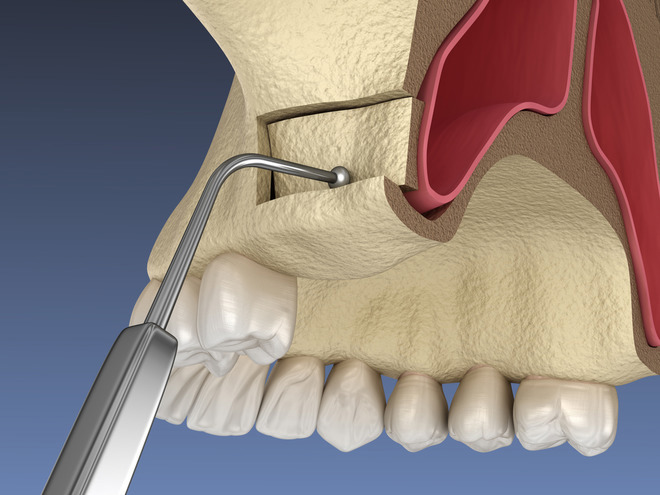
A Sinus Lift is a specialized bone augmentation procedure that increases bone height in the upper jaw to allow stable dental implant placement.
Learn More