Modern Aesthetic & Restorative Dentistry in Jongno, Seoul — Multilingual Patient Concierge


Restorative Dentistry · Consultation Required
Root Canal Treatment
Root Canal Treatment removes infected dental pulp, disinfects the root canal system, and preserves the natural tooth instead of extracting it.
Schedule a ConsultationSevere tooth pain, prolonged sensitivity to heat, or swelling around the gums may indicate infection inside the tooth. When decay or trauma reaches the innermost layer of the tooth—known as the pulp—Root Canal Treatment may be necessary to eliminate infection and preserve the natural tooth structure.
At New York S Dental Clinic, located in Jongno-gu, Seoul, root canal therapy is guided by accurate diagnosis, careful case selection, and detailed procedural protocols. The clinic emphasizes preservation of natural teeth whenever possible and performs treatment only when clinically indicated.
Understanding the Tooth Structure
Each tooth consists of three primary layers:
Enamel – the hard outer protective layer
Dentin – the supportive middle layer
Pulp – the innermost chamber containing soft tissue and nerves
The dental pulp extends from the crown of the tooth down through the roots in narrow channels called root canals.
When deep decay, cracks, or trauma expose the pulp, bacteria can enter and cause infection. Because the pulp is confined within a rigid structure, inflammation often results in significant pain.
What Is Root Canal Treatment?
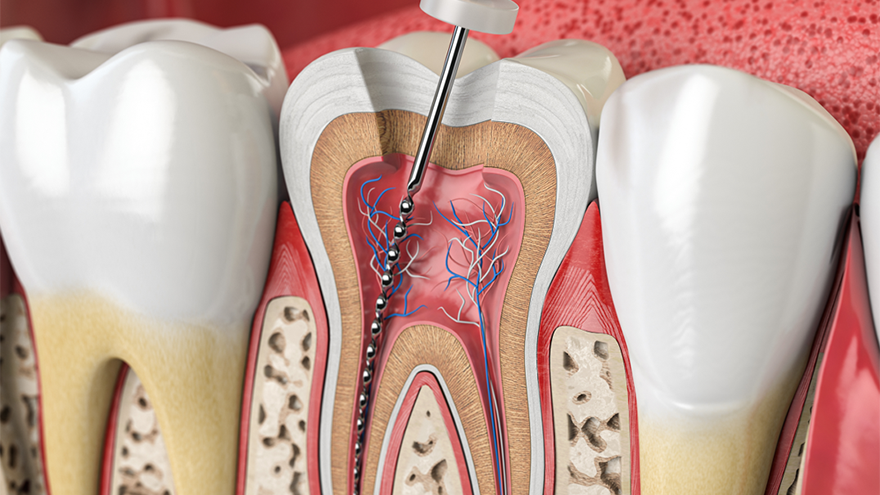
Root Canal Treatment, also known as endodontic therapy, is a procedure that removes infected pulp tissue from inside the tooth. After removing the infection, the root canal space is disinfected and sealed with biocompatible material to prevent reinfection.
The goal is to:
Eliminate infection
Relieve pain
Preserve the natural tooth
Restore function
Without treatment, infection may spread to surrounding bone, potentially leading to abscess formation and tooth loss.
When Is Root Canal Treatment Necessary?
Root canal therapy may be recommended when:
Severe toothache occurs
Prolonged sensitivity to heat is present
Swelling around the gum is observed
Deep decay reaches the pulp
A tooth has been significantly fractured
Infection persists after previous treatment
Accurate diagnosis is essential before proceeding.
Diagnostic Evaluation Before Treatment
At New York S Dental Clinic, diagnosis includes:
Clinical examination
Assessment of pain symptoms
Radiographic imaging (X-ray evaluation)
Pulp vitality testing
Bite (occlusal) analysis
Root canal treatment is performed only when clearly necessary. If the pulp is not infected or inflamed beyond recovery, alternative conservative treatment may be considered.
Step-by-Step Root Canal Treatment Procedure
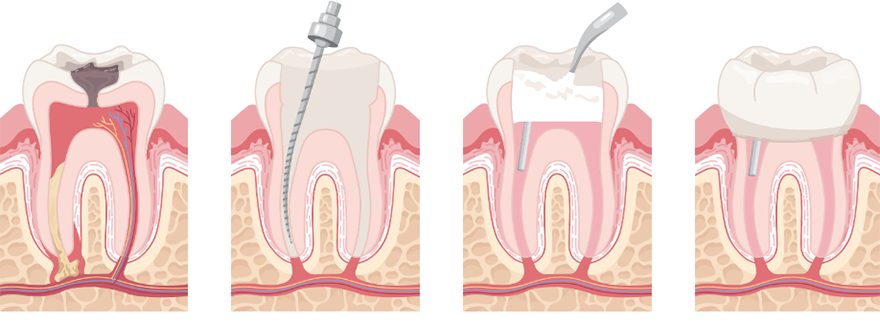
1. Confirmation of Infection
Diagnostic testing confirms pulp infection or irreversible inflammation.
2. Local Anesthesia
Careful anesthesia ensures patient comfort during the procedure.
3. Access Opening
A small opening is created in the crown to reach the pulp chamber.
4. Removal of Infected Pulp
The infected pulp tissue is removed from the chamber and root canals.
5. Cleaning and Disinfection
The canals are carefully shaped, cleaned, and disinfected to remove bacteria and debris.
6. Root Canal Filling
The cleaned canals are filled with a biocompatible material to seal the space.
7. Final Restoration
A crown or appropriate restoration is placed to protect the treated tooth.
Each step requires precision due to the complex anatomy of root canal systems.
Complexity of Root Canal Anatomy
The root canal system is often described as resembling tree roots—complex and branching. Variations in canal shape and number make thorough cleaning challenging.
Because of:
Narrow canal pathways
Curved or branching structures
Anatomical variations
Complete disinfection requires meticulous technique.
The success rate of root canal treatment is high but may be influenced by anatomical complexity.
Retreatment of Previously Treated Teeth
In some cases, a tooth that has undergone root canal therapy may develop reinfection due to:
Missed canals
Incomplete sealing
New decay
Root Canal Retreatment involves reopening the tooth, removing old filling material, disinfecting again, and resealing the canals.
Accurate diagnosis determines whether retreatment is appropriate.
Pain and Comfort Considerations
One of the common concerns regarding root canal therapy is pain. With modern local anesthesia techniques, the procedure itself is generally comfortable.
Post-treatment sensitivity may occur but typically subsides within a few days.
The primary purpose of root canal treatment is to relieve pain caused by infection.
Importance of Final Restoration
After root canal treatment, the tooth becomes more brittle due to loss of internal pulp tissue. To protect it from fracture:
A dental crown is often recommended
Proper bite alignment is evaluated
Structural reinforcement is provided
Failure to restore the tooth properly may lead to fracture and eventual extraction.
Longevity and Success Factors

Long-term success of root canal treatment depends on:
Thorough cleaning and sealing
Proper final restoration
Good oral hygiene
Absence of untreated gum disease
Regular follow-up care
Although success rates are high, anatomical complexity may reduce predictability in some cases.
Meticulous procedural steps help maximize favorable outcomes.
Root Canal Treatment vs. Tooth Extraction
When infection is present, extraction may seem like an immediate solution. However, preserving the natural tooth offers several advantages:
Maintenance of natural chewing function
Prevention of adjacent tooth shifting
Preservation of jawbone structure
Avoidance of additional replacement procedures
When feasible, retaining the natural tooth is generally preferable.
Safety and Clinical Considerations
Root canal treatment is considered safe when performed under proper clinical guidelines.
Potential complications may include:
Persistent infection
Temporary swelling
Rare instrument separation within canals
Tooth fracture if not properly restored
Careful technique and structured planning reduce these risks.
At New York S Dental Clinic, treatment is guided by precise diagnosis, careful anesthesia, and thorough canal disinfection.
Considerations for International Patients
For patients traveling to Seoul:
Root canal treatment may require one or multiple visits
Follow-up restoration may require additional scheduling
Clear communication about healing and restoration timeline is essential
Structured planning ensures continuity of care.
Realistic Expectations
Patients considering Root Canal Treatment should understand:
The procedure removes infection but does not make the tooth immune to future decay
A crown may be necessary for protection
Regular dental care is essential
Retreatment may occasionally be required
Open communication supports informed decision-making.
Conclusion
Root Canal Treatment in Jongno-gu, Seoul is a structured procedure designed to remove infection from inside the tooth while preserving natural structure. By carefully cleaning, disinfecting, and sealing the root canal system, this treatment relieves pain and restores function.
At New York S Dental Clinic, root canal therapy is performed only when clinically necessary, with careful attention to anatomical complexity and long-term stability. Through comprehensive diagnosis and detailed procedural steps, the clinic focuses on preserving natural teeth and supporting durable oral health outcomes for both local and international patients.
Other Services
Explore additional treatments offered by our specialists.

Gum Treatment
Gum Treatment removes infection-causing bacteria beneath the gumline to prevent bone loss and preserve natural teeth.
Learn More

Wisdom Teeth Removal
Wisdom Teeth Removal is performed when third molars cause pain, infection, crowding, or damage to adjacent teeth.
Learn More
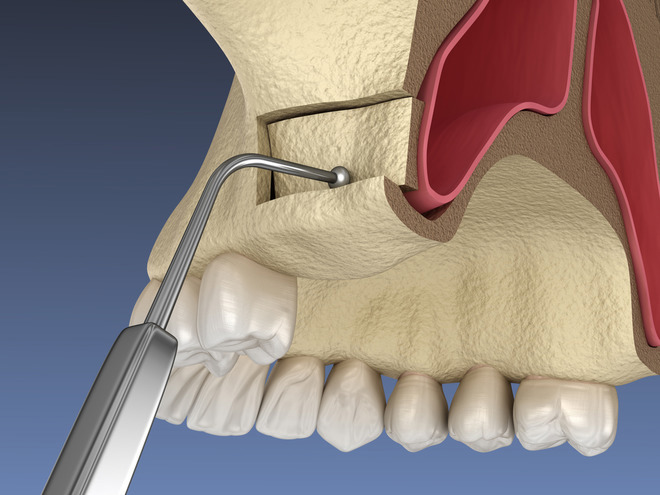
Sinus Lift
A Sinus Lift is a specialized bone augmentation procedure that increases bone height in the upper jaw to allow stable dental implant placement.
Learn More